
Great guys, knowledgeable, quick, and clean.
Larry is a great to work with and I can rely on his guys to get the job done.
Celebrating 10 Years Serving Metro Detroit!

If your current furnace is struggling, needs frequent repairs, or is no longer heating the house evenly, it may be time to replace it. Shook Heating and Cooling handles furnace installation with a practical approach. We inspect the current furnace, look at the setup in the home, explain what the new system needs, and give you clear next steps before the work starts.
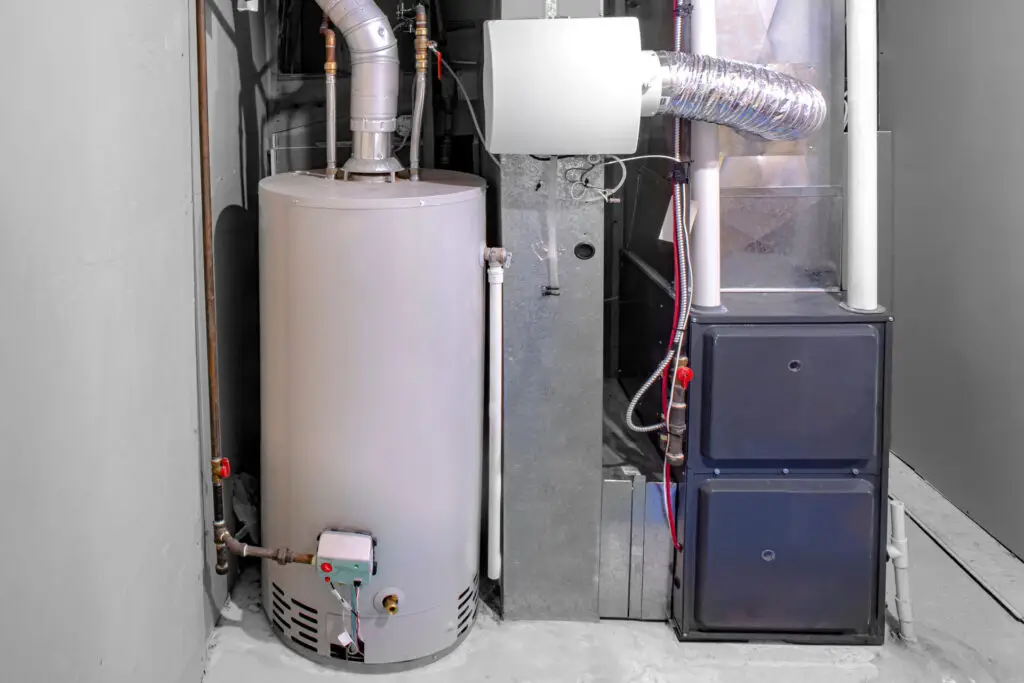
A new furnace is one of the more important investments you can make in your home. The goal is not just to install a furnace and leave. The goal is to make sure the new unit is properly sized, safely connected, tested, and ready for reliable heating when Detroit winters hit hard.
A lot of homeowners wait too long because they hope one more repair will solve the problem. Sometimes that is true. Sometimes it is not. If your old furnace requires frequent repairs, struggles to keep the home warm, or causes hot and cold spots from room to room, furnace replacement may be the better move. An old unit can waste energy, drive up heating bills, and create more frustration every winter.
Some common signs it may be time for furnace replacement:
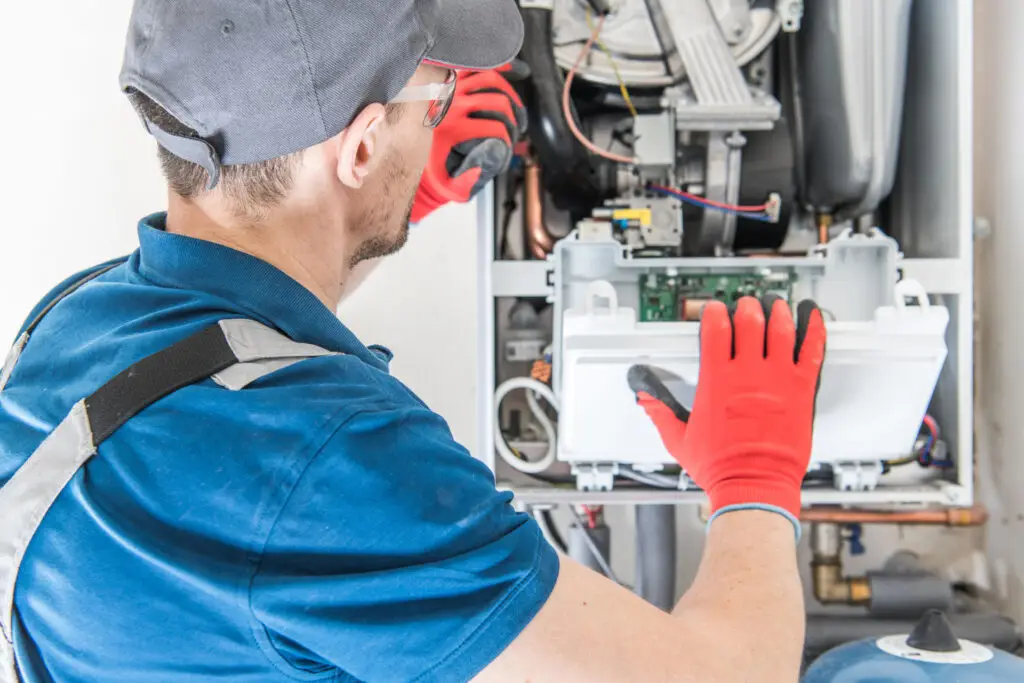
Most customers want the same few things: clear communication, fair pricing, dependable work, and a technician who treats their home with respect. That is what good service should look like.
Great guys, knowledgeable, quick, and clean.
Larry is a great to work with and I can rely on his guys to get the job done.
Jayde Gray

Awesome service with honesty.
Genuinely great to deal with. They replaced our furnace with urgency and professionalism. We will be needing an AC in all likelihood next summer and they will be the only ones I will consider.
Nick Schmidt
Highly recommend and will be using again for any other needs.
Called for a commercial rooftop HVAC unit maintenance check to get the AC working. They were able to be there the next day and correct the issue within another day after a part came in they needed. Very friendly, knowledgeable, and professional team.
Mikey Duffield
The entire experience was flawless.
Going forward with any HVAC needs we will definitely be calling Shook Heating and Cooling. They were friendly and helpful, easy scheduling, prompt arrival, and the correct and honest diagnosis for our issue. Highly recommend.
Andrea Rivas
Larry and his crew were great!
Friendly and professional. We were very happy with the work that was done. The communication with Larry and the timely manner in which the job was done was fantastic. Highly recommend for all your heating and cooling needs.
Kathleen Osmialowski
Strongly recommend these guys!
These guys are the real deal and very affordable. Plus they have a service plan for $180 and they’ll come out twice a year and service your AC and furnace. I don’t think I’ll ever switch to another service. Having a company you can depend on and that is honest and fair is a big deal.
Ryan Broos
Not every home needs the same furnace unit. Choosing the right system depends on several factors, including your home’s square footage, insulation, layout, comfort goals, and fuel source. That is why professional furnace installation matters. A properly sized system has a better chance of delivering more heat, better energy efficiency, and lower utility bills without putting extra stress on the equipment.
When we review options, we look at things like:
Gas furnaces are common in this market because natural gas is common and reliable for heating. Some homes use electric furnaces, but gas furnaces remain a popular choice for Detroit homes that need dependable performance in colder months. If you are comparing gas furnaces, high efficiency furnaces, or a more basic replacement, the goal is to find the right system for the house instead of overselling features you do not need.
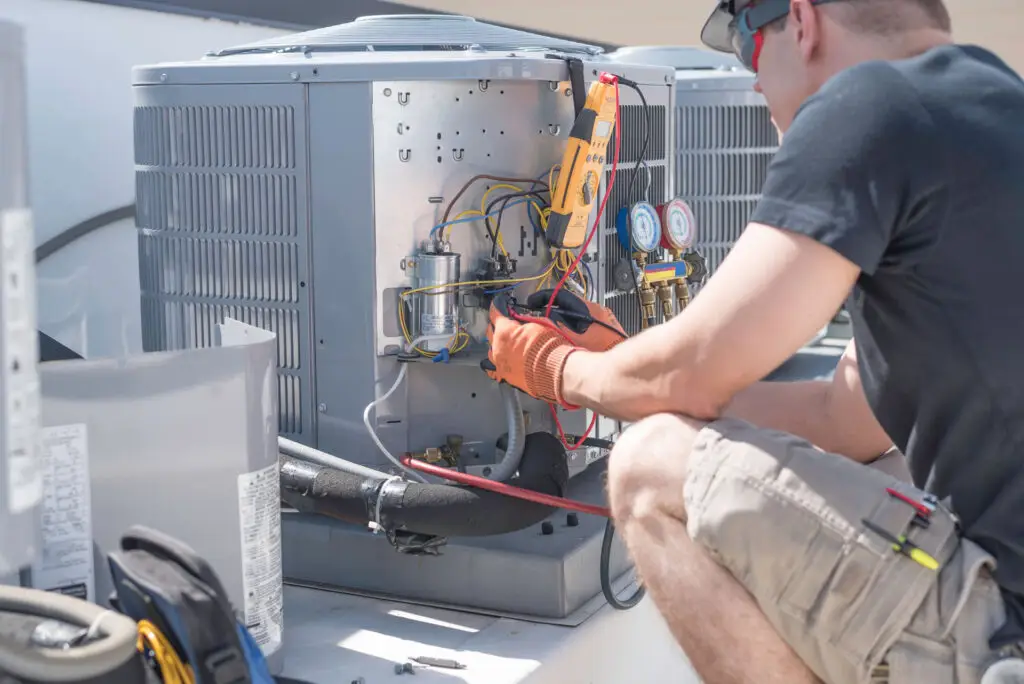
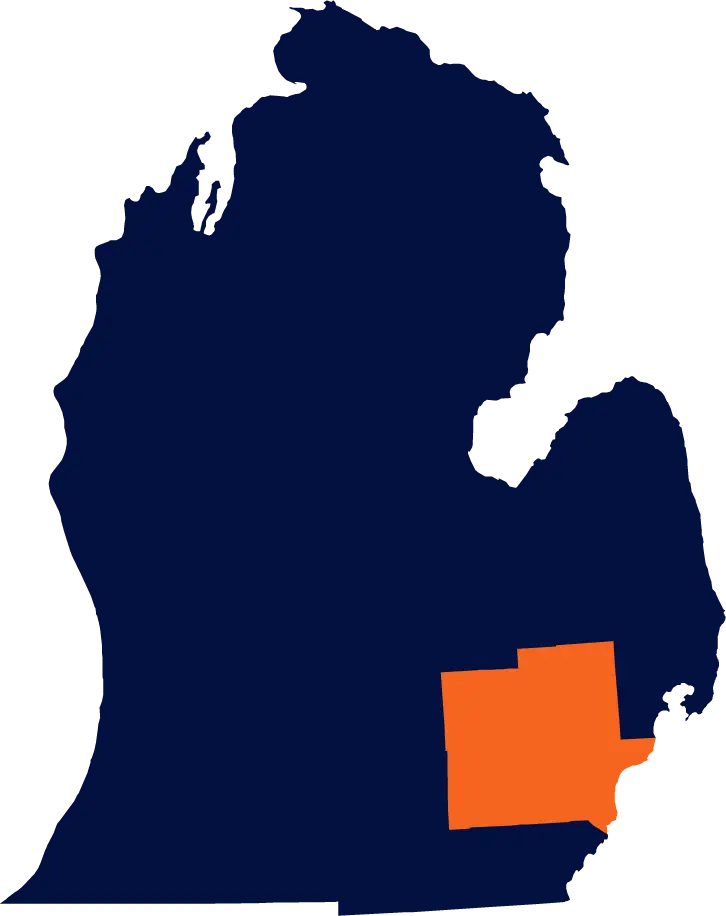
Based in Livonia, we serve homeowners and businesses across the Metro Detroit area. We’re a nearby team that understands the local weather, the common housing stock, and the typical system issues in this market.
Canton
Dearborn Heights
Detroit
Farmington
Farmington Hills
Franklin
Garden City
Inkster
Livonia
Northville
Northville Township
Novi
Plymouth
Redford
Romulus
Southfield
Wayne
Westland
More
We keep the process straightforward. You contact us, we inspect the system, we explain what is wrong, and we help you choose the right next step.
Call, message, or schedule an appointment and let us know what the system is doing. Whether it is odd noises, poor airflow, or rising utility bills, these details help point our visit in the right direction.
We inspect the system and check the likely trouble spots to find the real cause of the problem. We look at the furnace, AC, thermostat, airflow, and ductwork rather than just guessing based on symptoms.
We explain the issue and your options clearly. If a repair still makes sense, we’ll say so. If the system is getting to the point where replacement is the better move, we’ll tell you that too.
Once you approve the work, we get it done. We want the house comfortable again and the system doing its job the way it should.
Or Call
Most homeowners want two things from a new system. They want dependable heat, and they want to stop wasting money. High efficiency furnaces can help with both. Furnaces rated at 90% AFUE or higher use less fuel to create the same heat, which can improve energy efficiency and lower monthly utility bills over time. In Michigan, high efficiency furnaces are often part of the conversation because the heating season is long and the demand on the equipment is real. The uploaded guide also notes that new installations typically need to meet at least 81% AFUE.
That does not mean every home needs the most expensive furnace installed. The right answer depends on budget, the age of the home, the condition of the ductwork, thermostat settings, and how long you plan to stay in the property. Sometimes a modern furnace with strong efficiency and simple controls is the best value. Sometimes spending more up front makes sense because it can reduce energy bills and lower energy bills over the long run.
The furnace installation process should be clear, not confusing. A lot of people hear “furnace installation” and think it is just swapping one box for another. It is more involved than that. A proper furnace installation process includes planning, safety checks, equipment removal, setup, testing, and final review.
Before we install a furnace, we review the current furnace, the installation area, the fuel source, airflow, venting, filter setup, thermostat settings, and any issues with the old equipment. If the old furnace has been hiding duct problems, poor airflow, or sizing issues, that should be addressed before the new system is put in.
This is also where safety checks matter. Electrical breakers, fuel lines, gas lines, and the condition of the venting all need to be reviewed before work starts. If there are concerns about gas leaks, electrical wiring, or code issues, those need to be corrected as part of the job. That is one reason professional furnace installation is so important. These are not minor details. They affect safe operation.
A typical furnace installation can often be completed in one full day, though more involved jobs may take longer. The typical furnace installation includes removing the old furnace, setting the new furnace unit, connecting fuel lines, handling electrical wiring, adjusting the thermostat connection, checking venting, and making sure the system is installed to support proper airflow. The guide also notes that testing should include airflow, gas pressure, and heat distribution.
If the old equipment was part of a bigger problem, the job may also involve duct sealing, venting updates, filter changes, or additional ductwork. Some homes need more than a straight swap. Older properties can come with old unit issues that were never fully corrected the first time around.
Once the furnace is installed, the job is not done until the system is tested. Proper airflow, safety checks, startup testing, and overall performance all matter. A reliable furnace should run cleanly, heat the home evenly, and respond correctly to thermostat settings. The goal is safe operation and steady comfort, not just getting the equipment to turn on.
The upfront cost of furnace installation depends on the system, the home, and the work involved. In the Detroit market, the uploaded guide notes that furnace installation can range from about $2,900 to $6,000 in some cases, while full installed cost can range more broadly from about $3,800 to $12,000 depending on system type, home size, labor, and efficiency. Labor alone can account for a large share of the bill.
What changes the price?
If you are comparing Detroit furnace installation quotes, look for clear written pricing that breaks out the furnace, labor, and related work. If a contractor cannot explain what is included, that is a problem. In Detroit, permits and inspection requirements can also be part of the process, especially for mechanical work and code compliance before the system is placed into operation.
Furnace installation is not a handyman job. It is a regulated process that affects safety, performance, and equipment life. A furnace that is installed wrong can create airflow problems, venting issues, safety hazards, gas leaks, and costly repairs later. It can also waste energy and leave you with a new system that still does not feel right. The guide is clear that professional installation matters for sizing, code compliance, and safe, efficient performance.
Professional furnace installation also matters because modern systems are tied into more than just the burner and blower. They involve thermostat settings, airflow, venting, filtration, controls, and sometimes other complex systems tied into the house. A licensed HVAC professional should know how to install a furnace in a way that supports long-term performance, not just same-day startup.
That is especially true if you are replacing an old furnace that had deeper issues. If the existing furnace had sizing problems, poor ductwork, or weak airflow, simply swapping the box may not fix the comfort issue. The right install should correct what is holding the system back.
A new furnace still needs regular maintenance. Seasonal tune ups, a regular filter change schedule, and occasional inspection all help protect the equipment. Regular maintenance can help the system reach peak efficiency, improve energy savings, and lower the odds of costly repairs later. The uploaded guide also notes that maintenance helps extend furnace life and that HVAC professionals can catch issues like electrical faults or gas leaks before they grow into bigger problems.
A new system also works better when homeowners keep up with simple basics:
Shook Heating and Cooling is a family-owned company based in Livonia. The business serves residential and commercial customers, offers same-day service when available, uses flat-rate and transparent pricing, and offers financing through Wisetack. Shook also positions its work around straightforward service, no hidden fees, licensed HVAC technicians, and practical recommendations instead of sales pressure.
That matters when you are trying to choose a contractor for furnace installation. Most people are not looking for a speech. They want clear pricing, honest advice, and a new system that is installed right. That is the value of working with a local team that handles heating and cooling work every day and keeps the process simple.
You can also ask about Bryant and Payne options if you want to discuss equipment choices during your estimate.

Stay ahead of seasonal heating and cooling maintenance with two scheduled visits each year. Comfort Club members can also choose plan options with priority scheduling, repair discounts, and additional service benefits.
We install and service Bryant and Payne equipment. While the brand matters, proper sizing and a clean installation are what ensure long-term reliability. We’ll help you compare options based on your house, your system, and your budget.

When a repair turns into a replacement or a bigger job than you expected, financing through Wisetack gives you another option. It helps you move forward with the work you need now so you do not have to put it off.

We stand behind our work. All installations and repairs by Shook Heating & Cooling are backed by manufacturer warranties and our own service guarantee. If something isn’t right, we’ll make it right — it’s that simple.
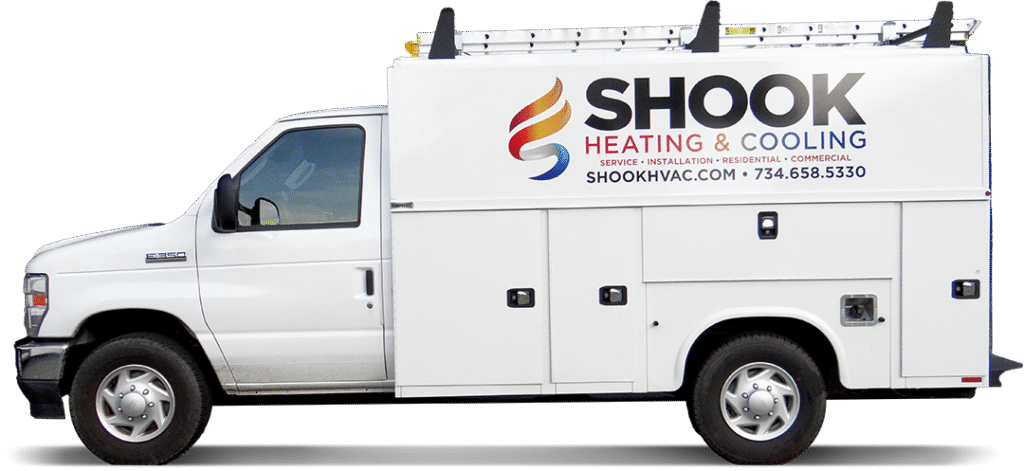
We handle the HVAC work homes and businesses actually need: repair, maintenance, installation, replacement, ductwork, and air quality. We are here to fix the problem, improve performance, and help you make a smart decision without the sales pitch.
If your current system is wearing out or you are ready to replace an unreliable furnace, Shook Heating and Cooling can inspect the setup, explain your options, and provide clear pricing for the next step.