
Great company, and great service.
Shook Heating and Cooling was able to get me know their schedule fast and completed the work professionally. Couldn’t ask for more.
Celebrating 10 Years Serving Metro Detroit!

Shook Heating and Cooling provides furnace maintenance for homeowners and businesses in Livonia and across Metro Detroit. If your furnace is due for service, making unusual noises, short cycling, or driving up your energy bills, we inspect the system, clean what needs cleaning, and handle the maintenance work that helps keep your home warm through the heating season.
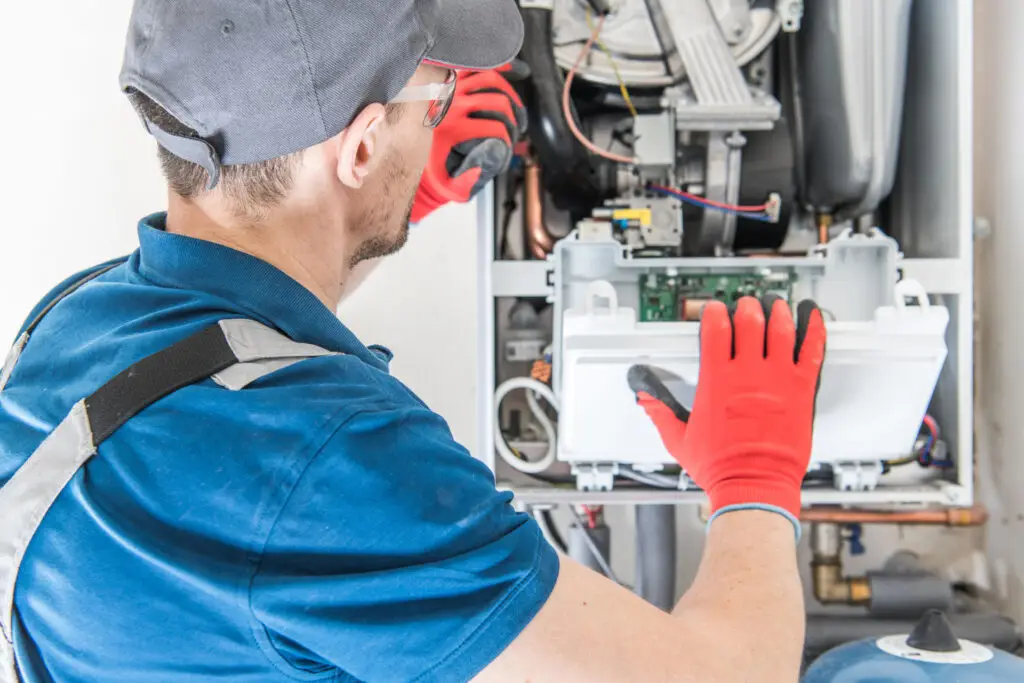
Furnace maintenance should be direct. We inspect the furnace, complete the cleaning, and tell you whether the system needs routine furnace maintenance, furnace repair, or replacement. That service helps the heating system run with better efficiency, lowers the chance of costly repairs, and helps keep the home warm through the heating season.
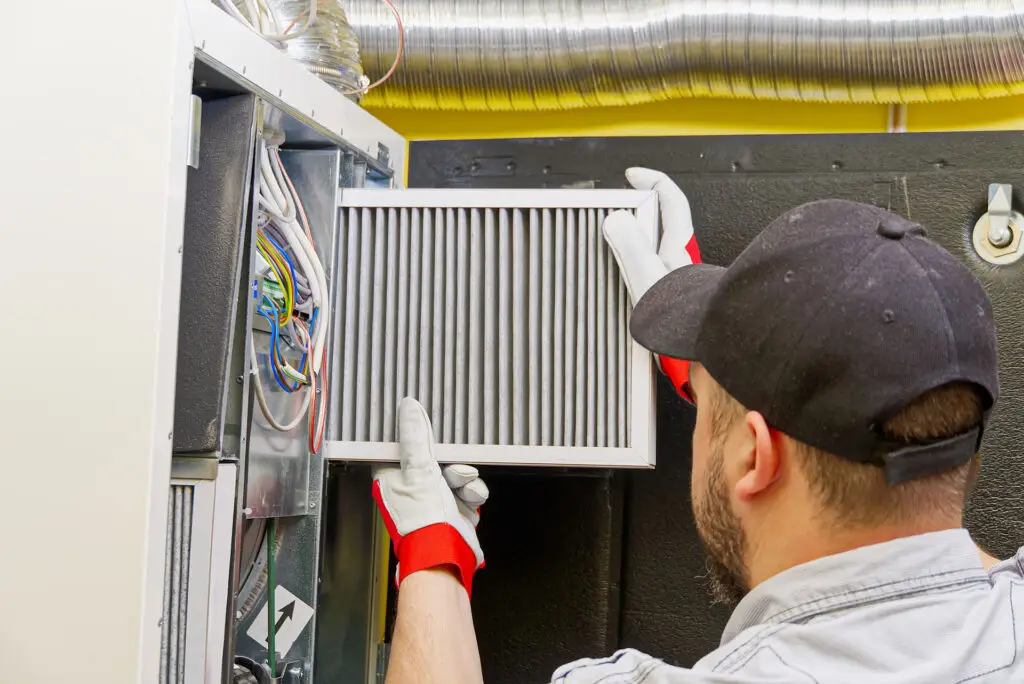
Most customers want the same few things: clear communication, fair pricing, dependable work, and a technician who treats their home with respect. That is what good service should look like.
Great company, and great service.
Shook Heating and Cooling was able to get me know their schedule fast and completed the work professionally. Couldn’t ask for more.
Randen Syjut

Great guys, knowledgeable, quick, and clean.
Larry is a great to work with and I can rely on his guys to get the job done.
Jayde Gray
There were no surprises on the invoice.
Shook Heating and Cooling did a great job of scheduling us in a timely manner for a spring AC check. They arrived early, were very professional, and worked hard to get our unit cleaned of debris.
Elizabeth Saunders
Would definitely recommend Shook.
Their technician, was on time, professional, curious, and knows what he is doing. Cleaned my furnace in a timely manner, explained to me what he did to the furnace when he finished.
Mike Bannoura
Larry and his crew were great!
Friendly and professional. We were very happy with the work that was done. The communication with Larry and the timely manner in which the job was done was fantastic. Highly recommend for all your heating and cooling needs.
Kathleen Osmialowski
Strongly recommend these guys!
These guys are the real deal and very affordable. Plus they have a service plan for $180 and they’ll come out twice a year and service your AC and furnace. I don’t think I’ll ever switch to another service. Having a company you can depend on and that is honest and fair is a big deal.
Ryan Broos
Most furnace repair starts with small problems that were missed. Preventive maintenance gives an HVAC professional time to inspect the system, catch wear early, and reduce the risk of a malfunctioning furnace, major repair, gas leaks, carbon monoxide leaks, higher energy consumption, and fewer breakdowns. It also helps the full HVAC system, heating and cooling system, air conditioner, air conditioning, and cooling system run more reliably.

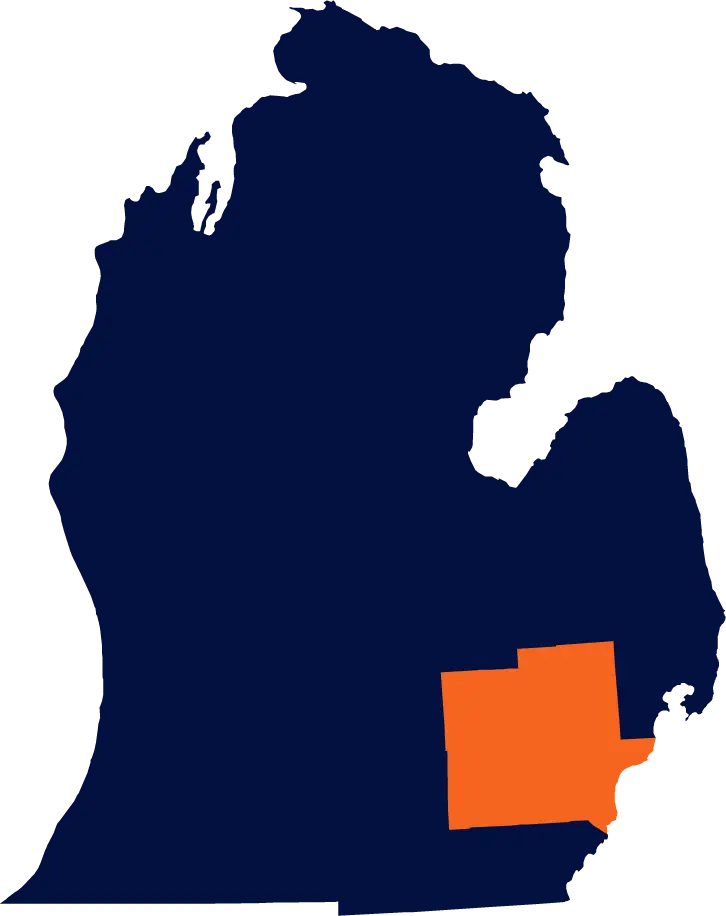
Based in Livonia, we serve homeowners and businesses across the Metro Detroit area. We’re a nearby team that understands the local weather, the common housing stock, and the typical system issues in this market.
Canton
Dearborn Heights
Detroit
Farmington
Farmington Hills
Franklin
Garden City
Inkster
Livonia
Northville
Northville Township
Novi
Plymouth
Redford
Romulus
Southfield
Wayne
Westland
More
We keep the process straightforward. You contact us, we inspect the system, we explain what is wrong, and we help you choose the right next step.
Call, message, or schedule an appointment and let us know what the system is doing. Whether it is odd noises, poor airflow, or rising utility bills, these details help point our visit in the right direction.
We inspect the system and check the likely trouble spots to find the real cause of the problem. We look at the furnace, AC, thermostat, airflow, and ductwork rather than just guessing based on symptoms.
We explain the issue and your options clearly. If a repair still makes sense, we’ll say so. If the system is getting to the point where replacement is the better move, we’ll tell you that too.
Once you approve the work, we get it done. We want the house comfortable again and the system doing its job the way it should.
Or Call
Some people schedule furnace maintenance every year without waiting for trouble. That is the best habit. Others call when the furnace starts acting different. Either way, there are common signs that tell you it is time to schedule regular maintenance.
You may need furnace maintenance if:
These signs do not always mean you need furnace repair, but they do mean the system should be inspected. Short cycling, poor airflow, unusual noises, and uneven heat are often early signs that the blower motor, thermostat, burners, electrical connections, or furnace filter need attention. Waiting too long can turn a maintenance issue into costly repairs.
A lot of furnace repair starts with maintenance that never happened. Dirt builds up. Filters get ignored. Moving parts wear down. Electrical connections loosen. The blower motor strains. Burners get dirty. Then the homeowner ends up with no heat on a cold day and needs furnace repair services instead of a normal maintenance call.
Preventive maintenance is meant to prevent that. It gives an HVAC contractor time to inspect the system, clean important components, and catch small problems before they become expensive ones. That could mean finding a dirty filter before it damages airflow, spotting a weak blower motor before it fails, or checking the heat exchanger before safety concerns get worse.
That does not mean maintenance solves every problem. Some systems still need furnace repair. If the furnace is older, if the repair cost keeps climbing, or if the same issue keeps returning, replacement may eventually make more sense. But regular maintenance still helps because it gives you better information. You know what condition the furnace is in. You know what parts are wearing out. You know whether you are dealing with a simple service issue or a bigger decision.
Both a gas furnace and an electric furnace need regular maintenance, but the inspection points are a little different.
With a gas furnace, the service visit should include close attention to combustion and fuel-related parts. That means checking burners, the pilot light when applicable, the gas valve, the gas line, the combustion chamber, and the heat exchanger. These parts affect both performance and safety. If there are signs of gas leaks or carbon monoxide leaks, that is not something to ignore.
With an electric furnace, the focus shifts more toward electrical components, controls, heating elements, airflow, and the blower motor. Electrical connections still matter. The thermostat still matters. The blower compartment still matters. A dirty air filter can still choke airflow and drive up energy consumption. The difference is the fuel source, not the need for maintenance.
No matter what type of unit you have, furnace maintenance should be done by an HVAC professional who knows how to inspect the system correctly and avoid sloppy work. You do not want someone to over lubricate moving parts, skip the heat exchanger inspection, or overlook signs of a malfunctioning furnace.
Cleaning is a big part of furnace maintenance because dirt affects almost everything. When filters are clogged, airflow drops. When burners are dirty, combustion can suffer. When the blower compartment is dirty, the blower motor can work harder. When buildup collects in the system, efficiency drops and the furnace may not keep the home warm the way it should.
Cleaning also affects indoor air quality. A neglected furnace filter or air filter can allow more dust and debris to move through the heating and cooling system. That is not good for comfort, and it is not great for your air. The same home that depends on the furnace in winter often depends on the air conditioner and cooling system in warmer months, so the condition of the full heating and cooling setup matters year-round.
Good maintenance does not mean cleaning everything for the sake of it. It means inspecting what matters, cleaning what affects performance, and making service recommendations that match the condition of the furnace and the rest of the HVAC system.
The best time for furnace maintenance is before the heating season starts. Early fall is ideal because it gives you time to inspect the system before you depend on it every day. That is when you want to catch a dirty filter, bad thermostat reading, weak blower motor, or worn electrical connections. It is much easier to deal with those things before cold weather hits.
If you missed that window, it is still worth scheduling service. Routine furnace maintenance is better late than never. A well-timed inspection can still reduce wear, improve efficiency, and lower the odds of mid-season breakdowns.
The main thing is consistency. Schedule regular maintenance every year. Make the annual professional inspection part of the normal home service routine. That is usually the best way to avoid costly repairs and get more life out of the system before replacing it becomes necessary.
Your furnace does not work in isolation. It is part of a larger HVAC system and a larger heating and cooling system. The thermostat, ductwork, airflow path, air filter, and blower all affect how the system performs. In many homes, the same ductwork that delivers heat also supports the air conditioner and air conditioning performance in summer.
That is why we look at furnace maintenance as part of the whole system. If airflow is poor, the issue may not stop at the furnace. If the thermostat is off, it can affect both heating and cooling. If the ductwork has obvious problems, that can make the heating system and cooling system less efficient across the board.
This full-system view matters for homeowners who want better comfort, but it also matters for cost. It is easy to spend money on repeated repair calls when the real issue is an overlooked system problem. A good HVAC contractor will inspect the furnace, but also pay attention to the bigger picture.
The visit should be simple. You schedule service. A technician shows up, inspects the furnace, handles the cleaning and maintenance work, and explains what they found in plain terms. If the system is in decent shape, great. If there are early warning signs, you hear about them before they turn into a no-heat emergency.
You should expect a maintenance call to cover inspection, cleaning, testing, and practical recommendations. If the furnace filter needs replacing, that should be addressed. If the blower motor is showing wear, that should be noted. If the heat exchanger, gas valve, burners, condensate drain, or electrical connections raise concerns, that should be explained clearly.
You should also expect honesty about repair versus replacement. Not every old furnace needs to be replaced right away. Not every noisy furnace needs a major repair. But if the cost keeps climbing, if the system is becoming unreliable, or if serious safety risks show up, you should get a straight answer.

Stay ahead of seasonal heating and cooling maintenance with two scheduled visits each year. Comfort Club members can also choose plan options with priority scheduling, repair discounts, and additional service benefits.
We install and service Bryant and Payne equipment. While the brand matters, proper sizing and a clean installation are what ensure long-term reliability. We’ll help you compare options based on your house, your system, and your budget.

When a repair turns into a replacement or a bigger job than you expected, financing through Wisetack gives you another option. It helps you move forward with the work you need now so you do not have to put it off.

We stand behind our work. All installations and repairs by Shook Heating & Cooling are backed by manufacturer warranties and our own service guarantee. If something isn’t right, we’ll make it right — it’s that simple.
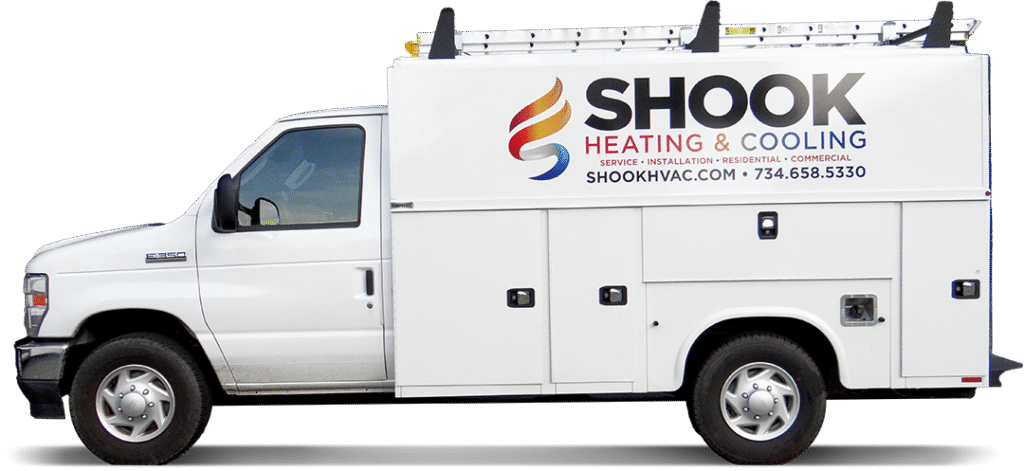
We handle the HVAC work homes and businesses actually need: repair, maintenance, installation, replacement, ductwork, and air quality. We are here to fix the problem, improve performance, and help you make a smart decision without the sales pitch.
If your furnace is due for service, schedule furnace maintenance with Shook Heating and Cooling. We will inspect the system, handle the cleaning, explain what we found, and give you a clear next step if repair or replacement needs to be discussed.