Systems, Repairs, And Projects
Systems We Work On
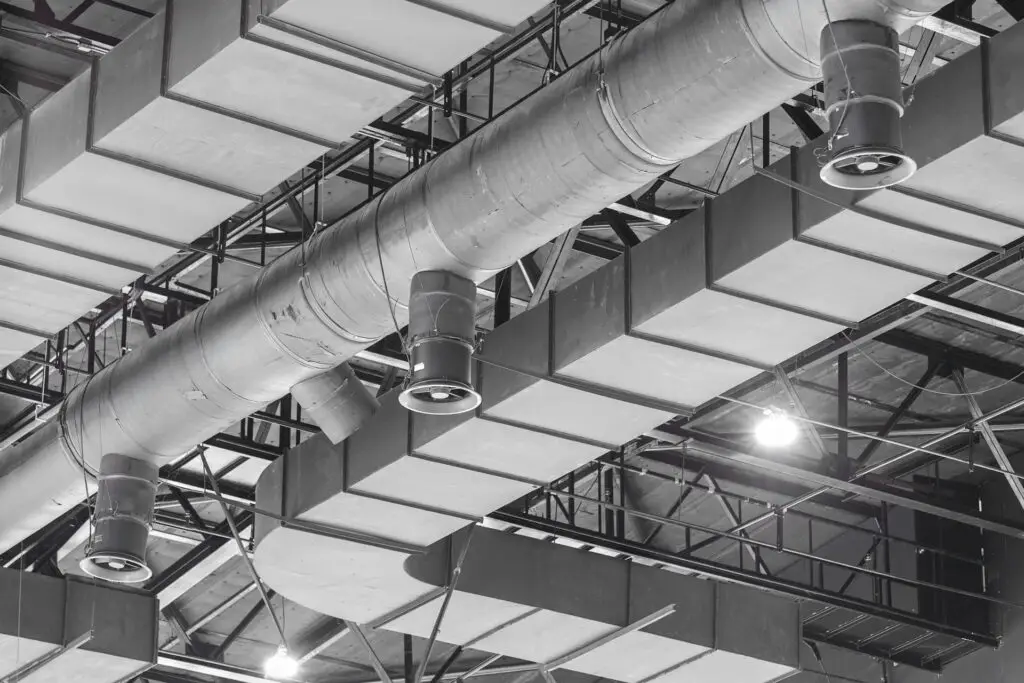
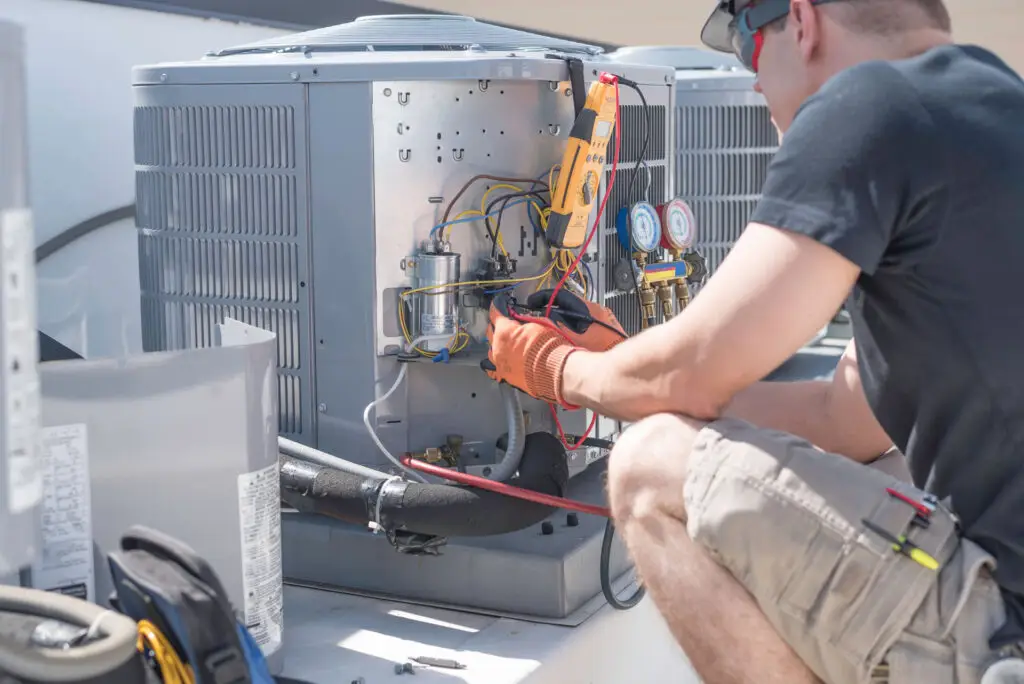
Commercial HVAC is not the same as conditioning a house. Load, occupancy, and run time are different, so the systems are different too. We work on rooftop units, split systems, air handlers, boilers, packaged systems, and other major HVAC systems used in office, retail, and light industrial settings. Some commercial and industrial sites also rely on refrigeration systems, walk ins, and equipment tied to an industrial plant or other industrial facilities. The right service plan depends on the building, the HVAC system, and the specific needs of the space.
Repair And Installation Work
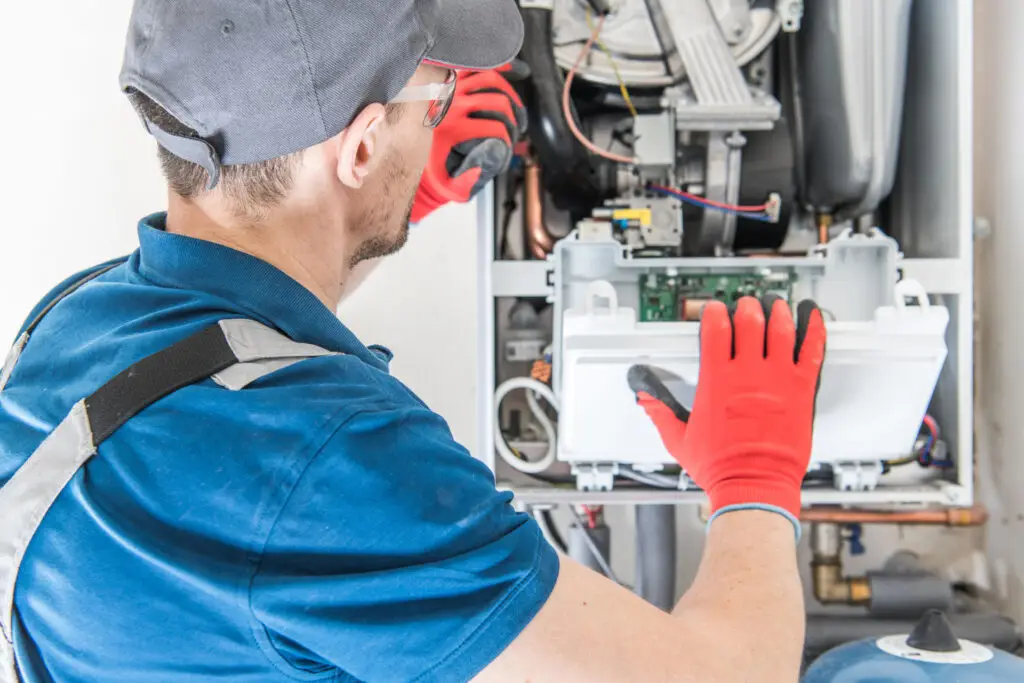
Some jobs are straightforward repairs. Others involve construction, replacement planning, or full installation. Shook handles commercial HVAC projects that need practical coordination, especially when general contractors or other trades are involved. Proper layout and precise installation matter because bad installation creates repeat repairs, weak airflow, and wasted operating cost. Good work at the start usually means better system reliability, better energy efficiency, and a more energy efficient building over time. That is also how you avoid repair cycles that keep interrupting business operations.
Why Reliability Matters In Detroit
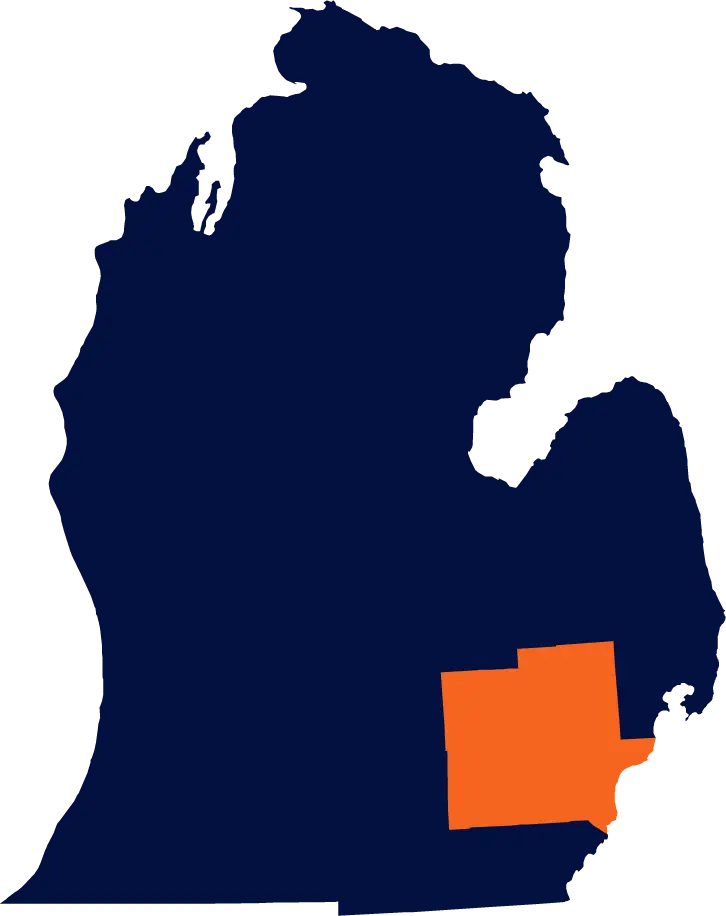
Detroit buildings take real swings in weather. In Detroit, MI, summer cooling demand and winter heating demand can both hit hard, and the system has to keep up year round. That is why commercial HVAC contractors need to think about accessibility, service life, and maintenance from the start. A neglected HVAC system can cost more to run, wear out faster, and create trouble for the building when the timing is bad. A maintained system is more likely to stay cool in summer, hold steady heat in winter, and support the kind of delivering reliable day-to-day performance businesses need.
Tailored Service For Commercial And Industrial Work
Not every facility needs the same plan. A smaller office may do fine with split systems and scheduled service. Larger commercial buildings may need rooftop units, air handlers, boilers, or broader system upgrades. Some industrial HVAC work calls for closer review of process areas, ventilation, and building zones that affect comfort and production. That is where tailored solutions matter. An experienced team with expert technicians should be able to inspect the job, explain the options clearly, and act like a trusted partner instead of turning every visit into a sales pitch.
What Good Ongoing Service Looks Like
Routine commercial HVAC service should be clear and repeatable. Inspect the equipment. Maintain what needs attention. Replace filters on schedule. Catch leaks, drain issues, and worn parts before they spread. Review controls and airflow. Keep the contractor focused on the building and the way the business actually runs. That is what helps commercial clients avoid larger shutdowns, keep the facility running quickly after repairs, and get more value out of long-term maintenance and repair planning.