What AC Maintenance Covers
Good cooling depends on airflow, heat transfer, drainage, and controls working together. Our routine maintenance checks those operating conditions and the equipment’s condition. The exact work depends on the unit, its accessibility, and care needs.
Air Filters, Airflow, and Thermostat Operation
We check air filters, visible airflow restrictions, and thermostat response. Dirty filters or restricted air movement can affect cooling performance even when the system still runs. You get a clearer picture of whether the equipment responds properly and air can move through the system.
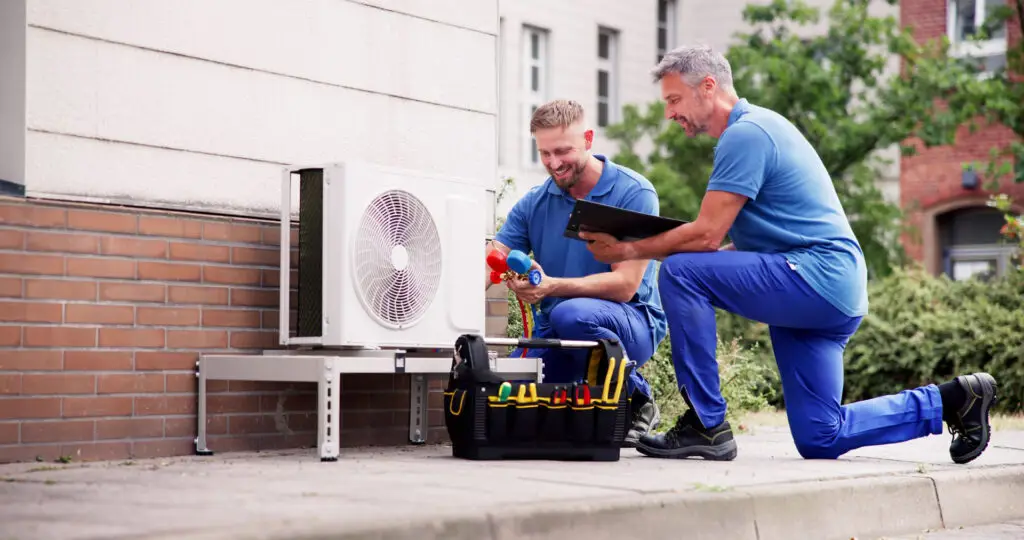
Condenser Coils and the Outdoor Unit
We inspect the condenser coils and outdoor unit for dirt, debris, and conditions affecting airflow. Cleaning needs are assessed as part of the visit. Dirt and debris can restrict the unit’s ability to release heat, making this an important part of routine care.
Evaporator Coil and Condensate Drain
We inspect the accessible evaporator coils and condensate drain for signs of buildup, restricted drainage, or other issues affecting operation. If access or the condition of the equipment calls for additional cleaning or corrective work, we explain what is needed before proceeding.
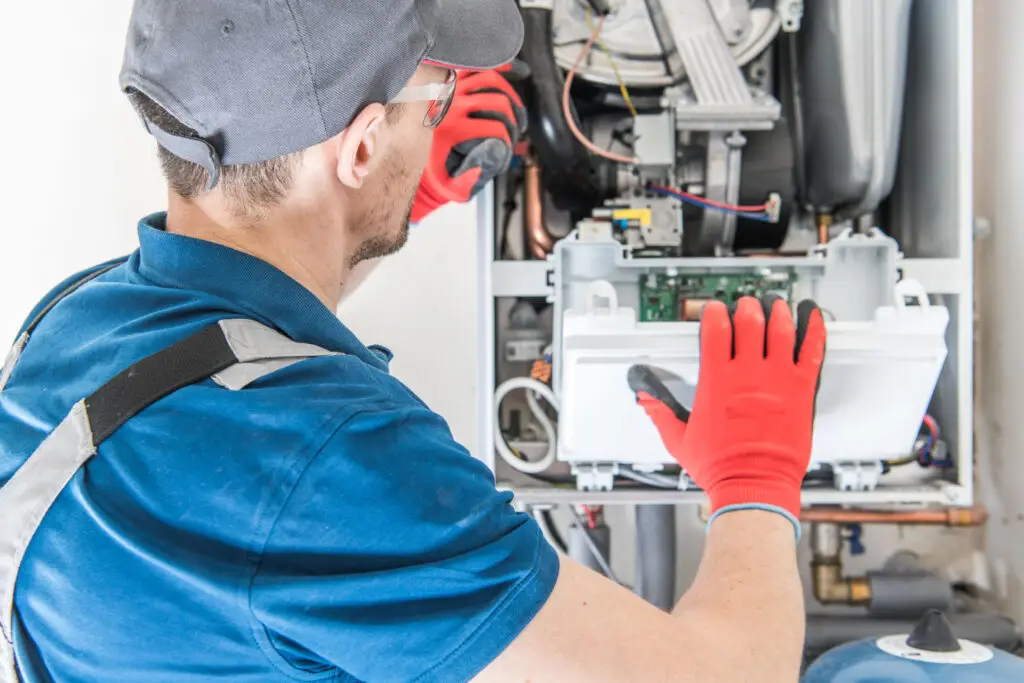
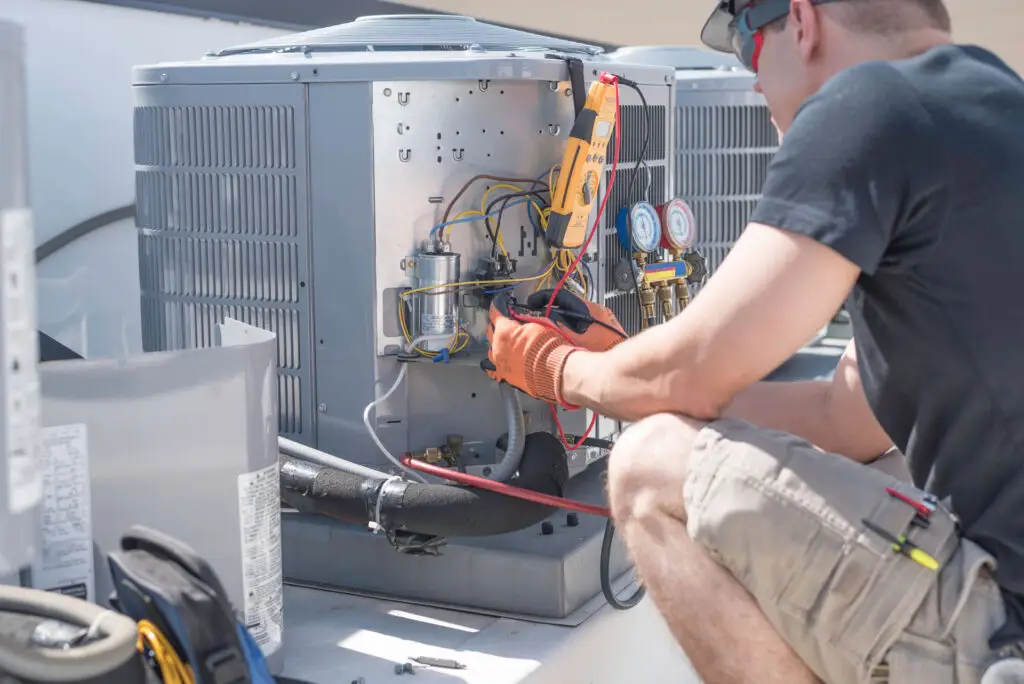
Electrical Components and Refrigerant Checks
Operating checks include relevant electrical connections, controls, capacitor condition, and refrigerant performance. If checks reveal a possible leak, worn component, or abnormal operation, we explain what needs further attention. You can review any additional work and its price before approving it.
When to Schedule Maintenance
Plan seasonal maintenance ahead of summer demand where possible. Annual AC maintenance is a useful starting point for preventative maintenance scheduling. The appropriate service schedule also depends on equipment guidance, usage, and conditions around the unit. If you’ve noticed weak airflow, unusual noise, or a change in cooling, mention it when booking so we can plan the visit around your concern.
A maintenance visit helps you plan around cleaning needs and developing wear, with time to consider any additional work. If energy costs have changed, share that information alongside any changes in cooling performance. Clean coils and appropriate airflow support efficient operation; equipment age, use, and condition still affect performance and service life.