Choosing the Right Air Conditioner for the House
Not every house needs the same air conditioner, and not every AC installation should follow the same plan. Choosing the right AC unit depends on the size of the house, insulation levels, window placement, layout, ductwork condition, and how the home is used day to day. That is why proper installation starts with proper sizing instead of guessing.
A good contractor should look at the full picture before installing a new air conditioner. That usually includes a Manual J load calculation, which helps determine the right size system based on square footage, insulation, windows, orientation, and other real-world factors. If the AC unit is too small, it may run constantly and still fail to keep the house comfortable. If it is too large, it can short cycle, waste energy, and do a worse job controlling humidity. A properly sized system is one of the biggest factors in long-term efficiency and comfort.
In the Detroit, MI market, cooling season is shorter than it is in hotter southern states, so the goal is not always chasing the most extreme rating available. In many cases, systems in the 15 to 17 SEER2 range are a practical fit for Michigan homes because they balance cost, humidity control, and real-world efficiency. Higher-efficiency options can still make sense, especially for homeowners planning to stay in the house for years and wanting to save money in the long run.
Central Air, Heat Pumps, and Other Installation Options
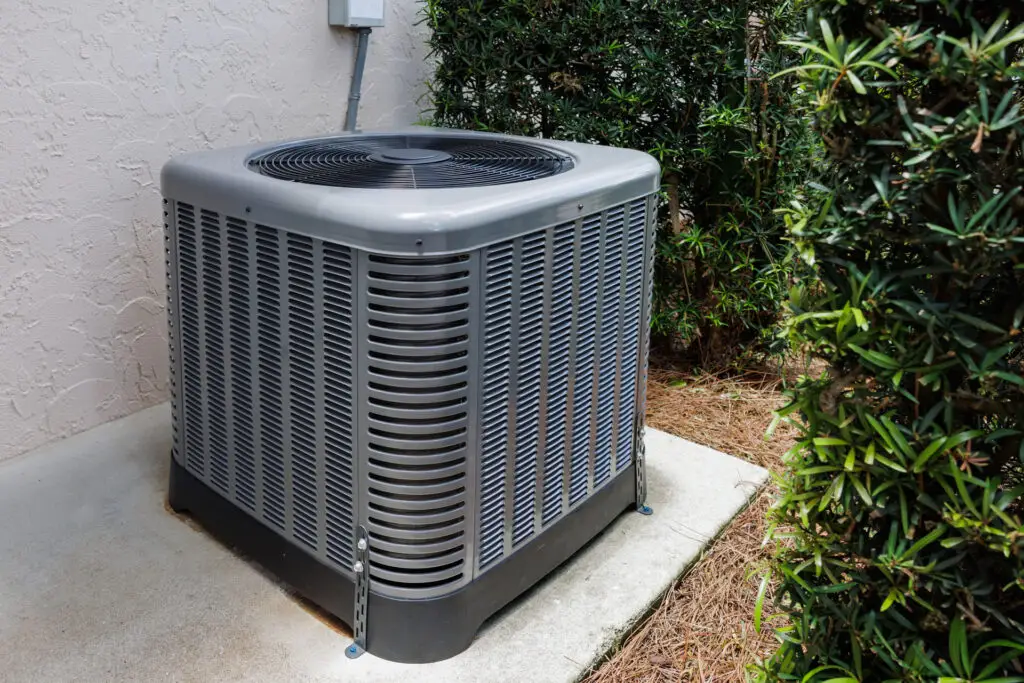
For many homes with existing ductwork, central air is still the most practical choice. If the house already has a furnace and ducts in decent condition, central air conditioning installation is often the cleanest and most efficient route. A central air conditioner can cool the full house more evenly than a window unit and usually provides a better overall comfort experience during summer.
That said, not every home fits the same model. A heat pump can be an excellent option for homeowners who want both heating and cooling from one system. Heat pumps are becoming more popular in the Detroit area because they offer efficient performance during moderate weather and can work well alongside other HVAC systems. Homes without usable ducts may also be better served by a ductless option instead of trying to force a central setup that does not match the property.
There are also cases where homeowners compare a new air conditioner to a window unit because the upfront cost is lower. A window unit may work for one room, but it is not the same as installing a full system designed to cool the whole house efficiently. When the goal is better comfort, cleaner control over temperature, and a more complete solution, a full AC installation is usually the better long-term answer.
Why Proper Installation Matters
The equipment itself is only part of the outcome. Even a good brand can underperform if the AC installed in the house is sized wrong, connected poorly, or rushed into place without enough attention to ductwork, airflow, refrigerant setup, and electrical details. Proper installation matters because it affects efficiency, comfort, system life expectancy, warranty coverage, and whether the equipment actually performs the way it was designed to.
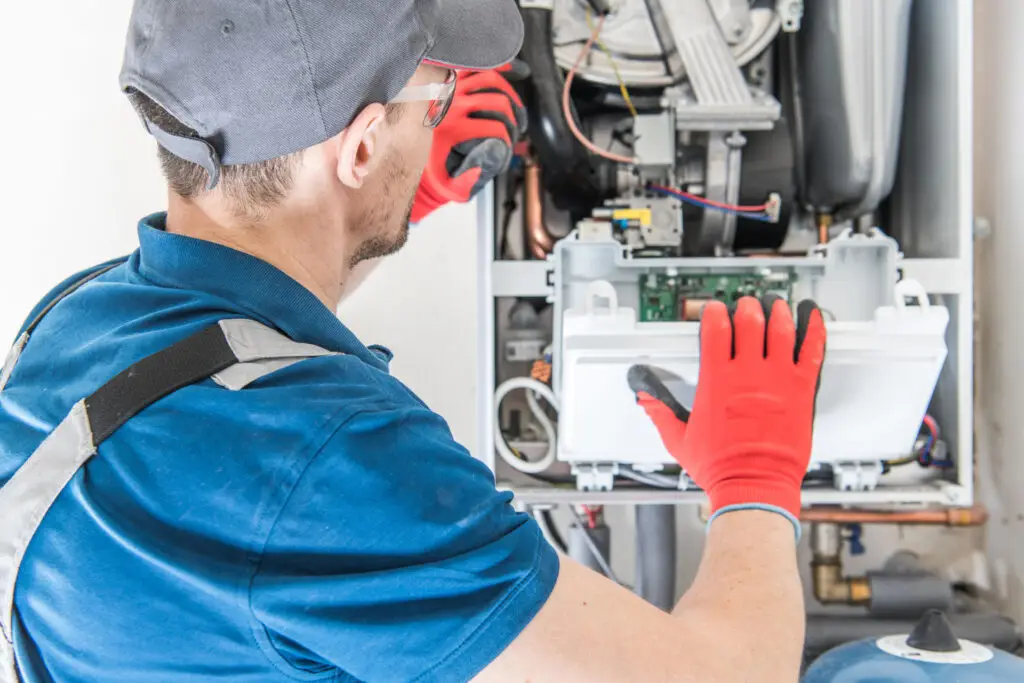
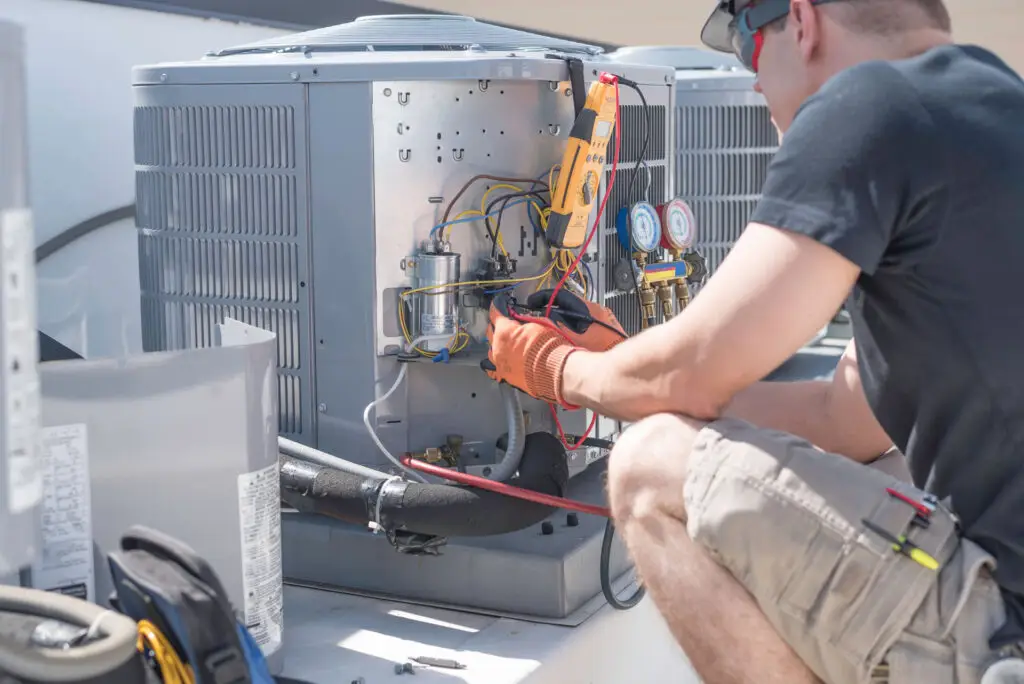
This is where professional installation makes a real difference. Experienced HVAC technicians are well versed in different HVAC systems, installation requirements, and the little details that separate a smooth new install from a problem job. That includes checking refrigerant charge, verifying electrical setup, confirming airflow, and making sure the system is ready to run efficiently from day one. When you hire professionals for air conditioning installation, you are not just paying for labor. You are paying for fewer mistakes, fewer callbacks, and better long-term performance.
Professional installation also matters for warranty protection. Many manufacturers require proper installation and ongoing regular maintenance to keep warranty coverage valid. If the work is sloppy or the system is set up in a way that does not follow manufacturer guidelines, the warranty may not help when something fails later.
What Happens on Installation Day
A standard AC installation for a straightforward replacement usually takes about 4 to 8 hours. If the home needs ductwork changes, accessibility is difficult, or there are electrical issues to correct, the job can stretch closer to a day and a half or even two days. That does not mean something is wrong. It just means some homes need more work than others.
The process usually starts with removing the old AC unit and reviewing the condition of the surrounding equipment. From there, the crew handles installing the new indoor and outdoor components, checking refrigerant lines, testing electrical connections, and making sure the thermostat and controls are working correctly. If ductwork leaks, sizing issues, or other items show up during the process, those may need to be corrected before the installation is complete.
Older homes in Detroit sometimes need more than just a new air conditioner. In some cases, the electrical panel may need attention to support newer HVAC systems. In others, ductwork needs repair before the new AC system can perform the way it should. That is why a real evaluation matters before the work begins. It sets better expectations for timeline, prices, and what homeowners should expect from the finished job.
What Affects AC Installation Cost
The cost of AC installation can vary quite a bit. System size, efficiency level, house layout, ductwork condition, accessibility, electrical needs, and equipment type all affect the total. A straightforward replacement for a typical home may fall into one range, while a more complex new install with ductwork changes or upgraded equipment will cost more.
As a general range, installing a new air conditioner often falls somewhere around the mid-thousands, while ductless or more specialized systems can move higher depending on the number of zones and the setup involved. Ductwork can also add major cost if repairs, resizing, or modifications are needed. Other items like panel work, thermostat upgrades, or adjustments to support smart thermostats can also affect the final number.
That is why homeowners should focus on value, not just the cheapest bid. Lower prices can look attractive up front, but they do not always include the same scope, warranty support, or attention to the details that matter. A higher-efficiency system may cost more today but help save money later through lower utility bills, better humidity control, and fewer performance problems.
It is also worth asking about federal tax credits, utility rebates, and seasonal timing. In some cases, high-efficiency HVAC systems qualify for savings that change the math. Scheduling installation in early spring or fall can also make it easier to get on the calendar and avoid the longest wait times.
High-Efficiency Systems and Long-Term Value
A new air conditioner does more than just cool the house. Done right, it can improve efficiency, reduce humidity, support better air quality, and lower utility bills compared with an older system that is losing performance. That is one of the many benefits of replacing older units before they become a constant repair problem.
Higher-efficiency air conditioning units are often better at handling muggy weather because some models use variable-speed or multi-stage operation to manage humidity more effectively. That can help the house feel cooler at a more stable temperature without the same level of energy waste. In Michigan, where the cooling season is shorter than in hotter climates, the smartest choice is usually the system that balances cost, efficiency, and how long you plan to stay in the house.
Life expectancy matters too. Most air conditioning units last around 10 to 15 years, especially when they are installed correctly and kept up with regular maintenance. Once the current unit is getting deeper into that range, the cost of repeated repair starts to matter more. At some point, replacing the air conditioner becomes the better financial decision.
AC Installation and the Rest of the HVAC System
AC installation should not be treated like a completely separate appliance swap. It needs to work with the rest of the HVAC setup. That includes the thermostat, ductwork, return and supply air flow, and in many homes the existing furnace. If one part of the system is weak, it can drag down the whole result.
That is especially true in houses where heating and cooling complaints overlap. If the furnace is older, airflow is poor, or the ductwork has leaks, the new AC unit may not perform the way homeowners expect unless those issues are addressed too. In some homes, a full review of the HVAC systems in place leads to a better recommendation than simply replacing one piece of equipment and hoping the rest works itself out.
Filters matter here too. Even the best AC system can struggle if filters are not changed on time. Homeowners should plan to maintain the system after installation with regular filter changes, annual service, and pre-season checks. That helps the unit run efficiently, protects the warranty, and extends the life of the system.
Why Homeowners Choose Shook for AC Installation
Shook Heating and Cooling serves homeowners and businesses with straightforward service, clear recommendations, and installation work built around real-world needs. Customers are usually looking for the same thing when they call: honest advice, fair prices, and a company that can install the right system without making the process harder than it needs to be.
That matters in the Detroit, MI area because summer discomfort shows up fast when an air conditioner is failing. Homeowners want a company that can explain the options clearly, walk through the cost, and help them decide whether repair still makes sense or whether it is time for a new AC unit. They also want a team that understands HVAC systems, ductwork, heating equipment, and how the full setup works together.
When people compare contractors, they usually look at reviews, pricing, warranty coverage, experience, and whether the company seems prepared to do the job right. That is a reasonable way to choose. If you hire a contractor for AC installation, you want the work to feel complete, practical, and worth the money you are investing.